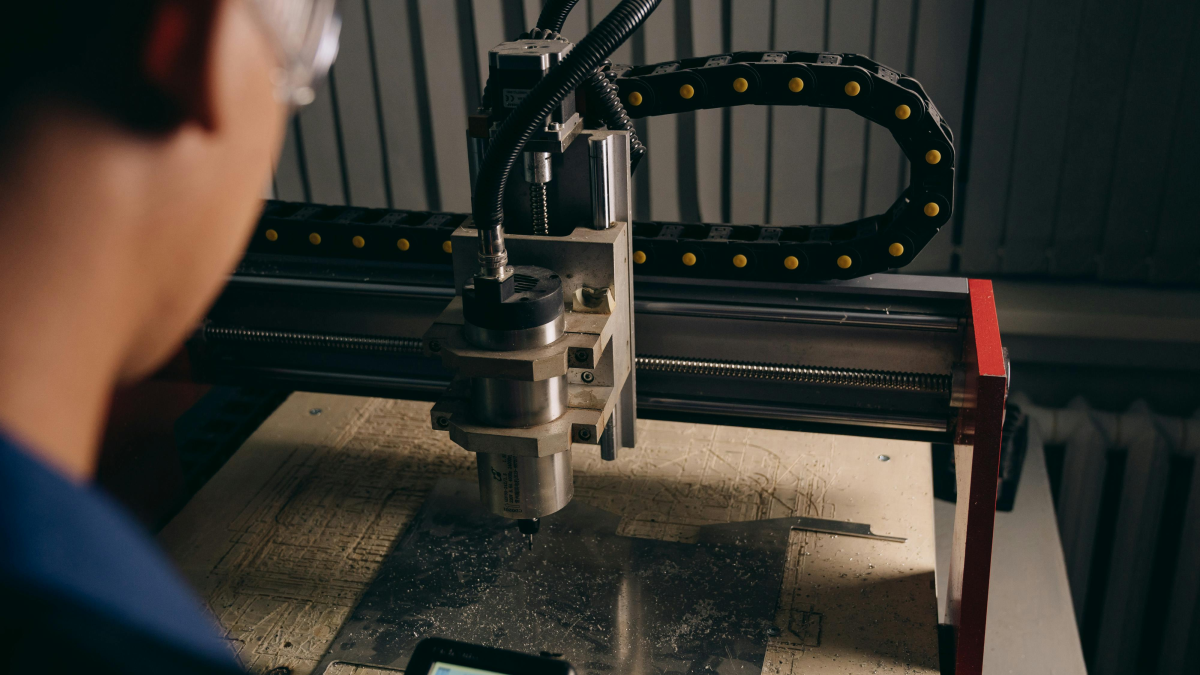
Why CNC Hiring Fails: Resume Skills Versus Real Shop-Floor Skills
The gap between resume skills and real shop-floor skills: how employers can evaluate CNC specialists more accurately before they reach the machine.
Practical CNC career, training, verification and platform articles from CNC Passport.
The gap between resume skills and real shop-floor skills: how employers can evaluate CNC specialists more accurately before they reach the machine.
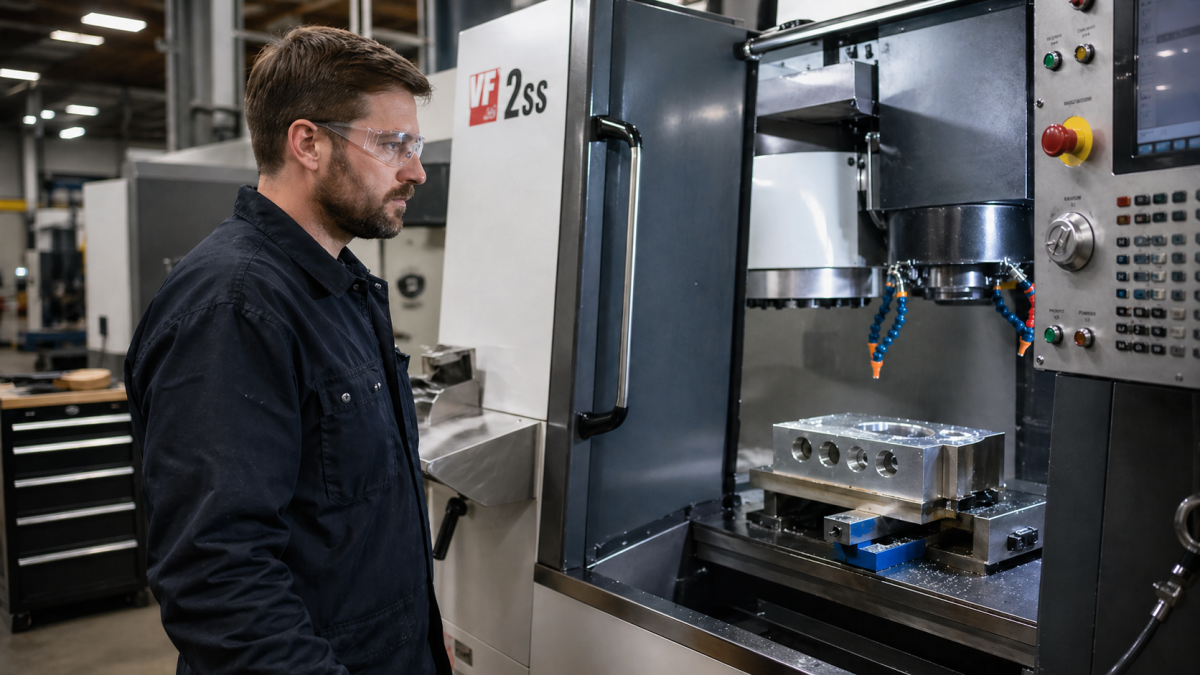
Why CNC employers can no longer wait for the perfect candidate, and how to build hiring around skill checks, training, and managed risk.
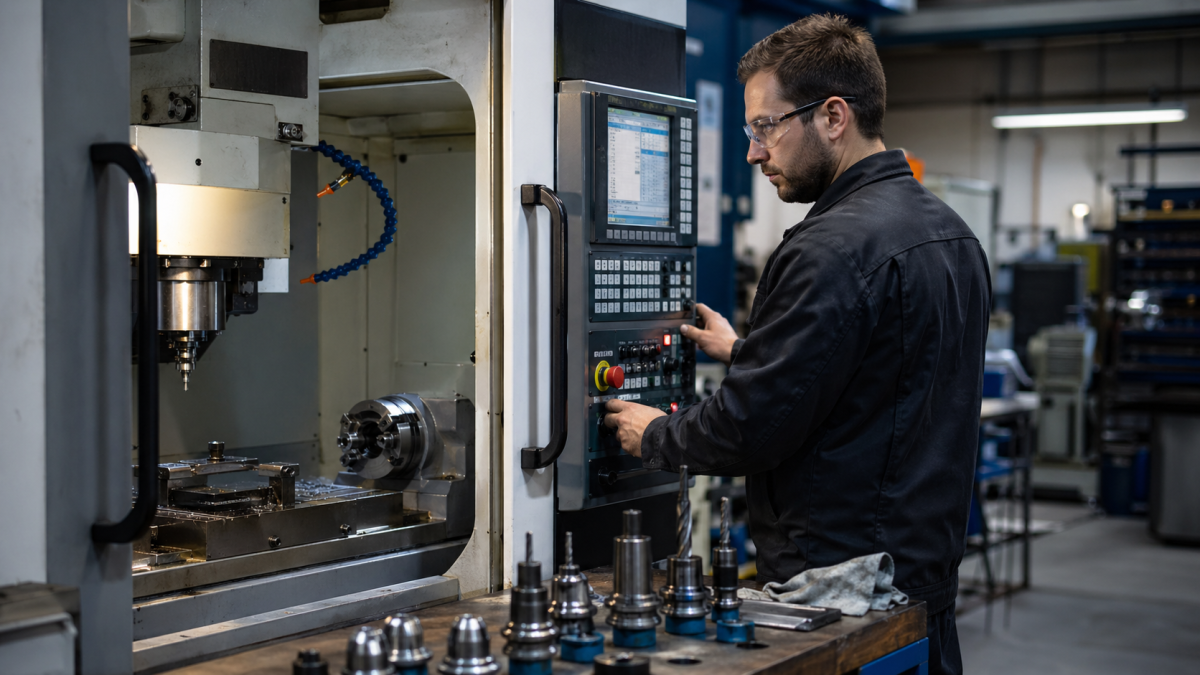
Why real setup skill, process control, and independent shop-floor judgment matter more than a polished job title in CNC hiring in 2026.
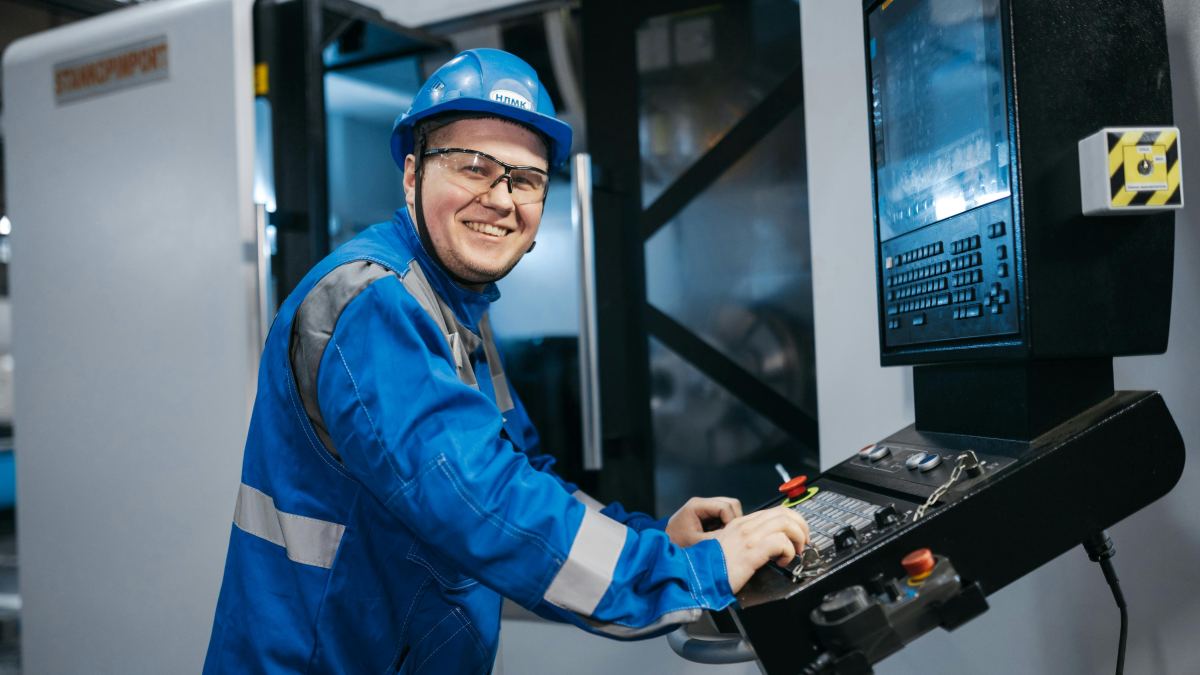
A practical look at how to assess whether a CNC candidate is ready for several machines, automated cells, and stricter production discipline.
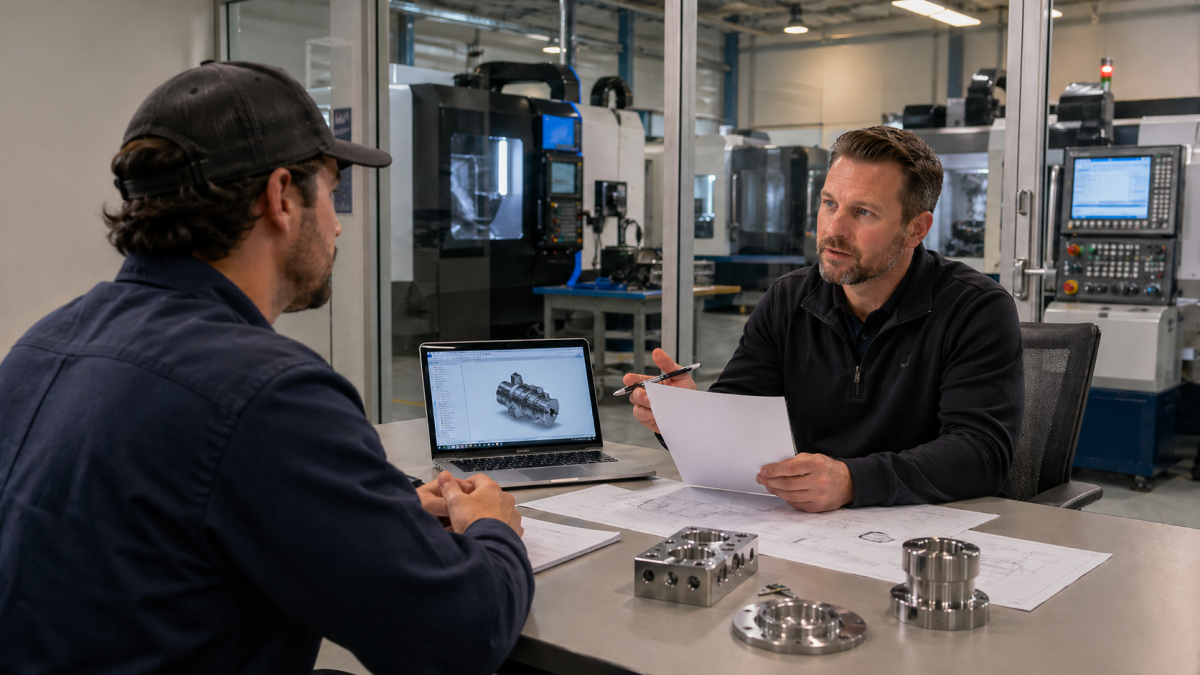
A poor CNC interview often starts before the meeting. If the employer has not clarified machines, tasks, independence, and shop conditions, the conversation turns into guessing.
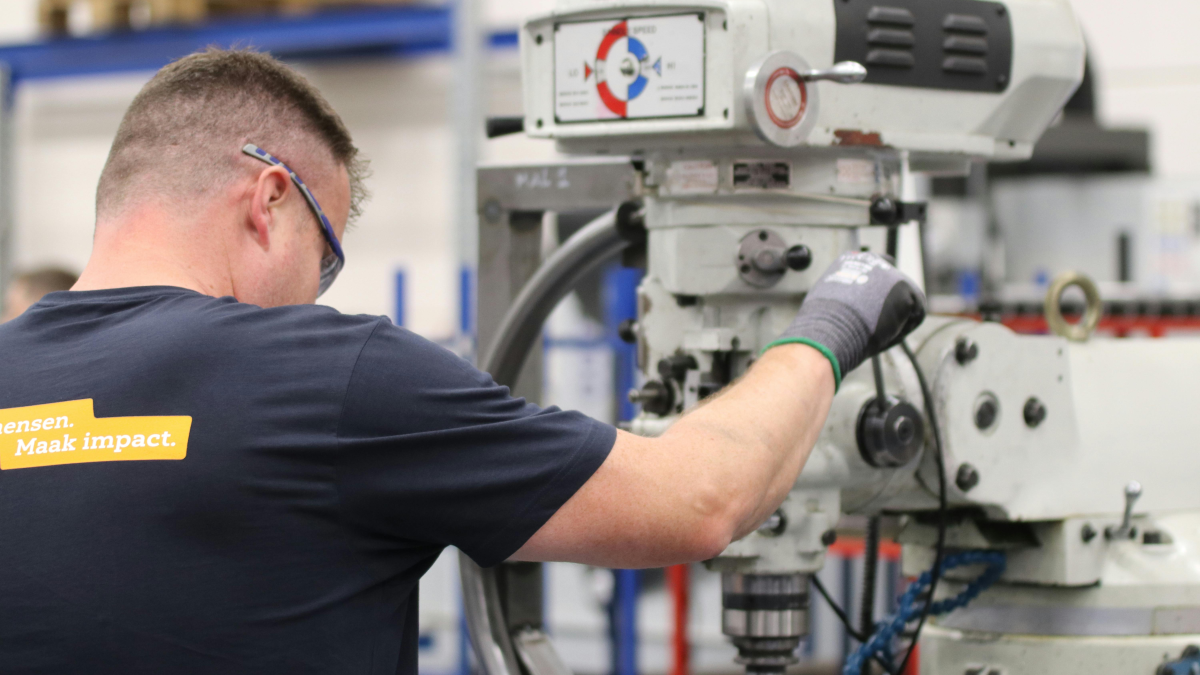
When one operator is responsible for several machines, the job changes more than it first appears. It is not just more equipment; it is a different load on attention, inspection, and shift organization.
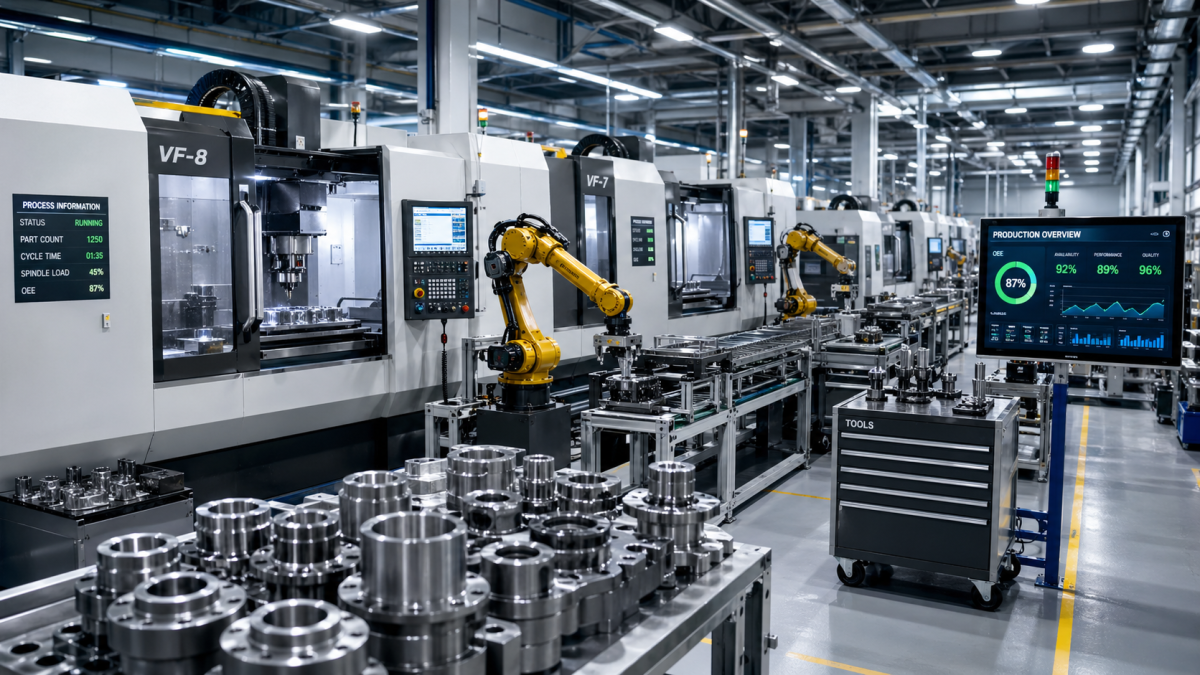
Automation does not make CNC specialists useless. It shows faster who owns the process and who is only standing beside the machine.
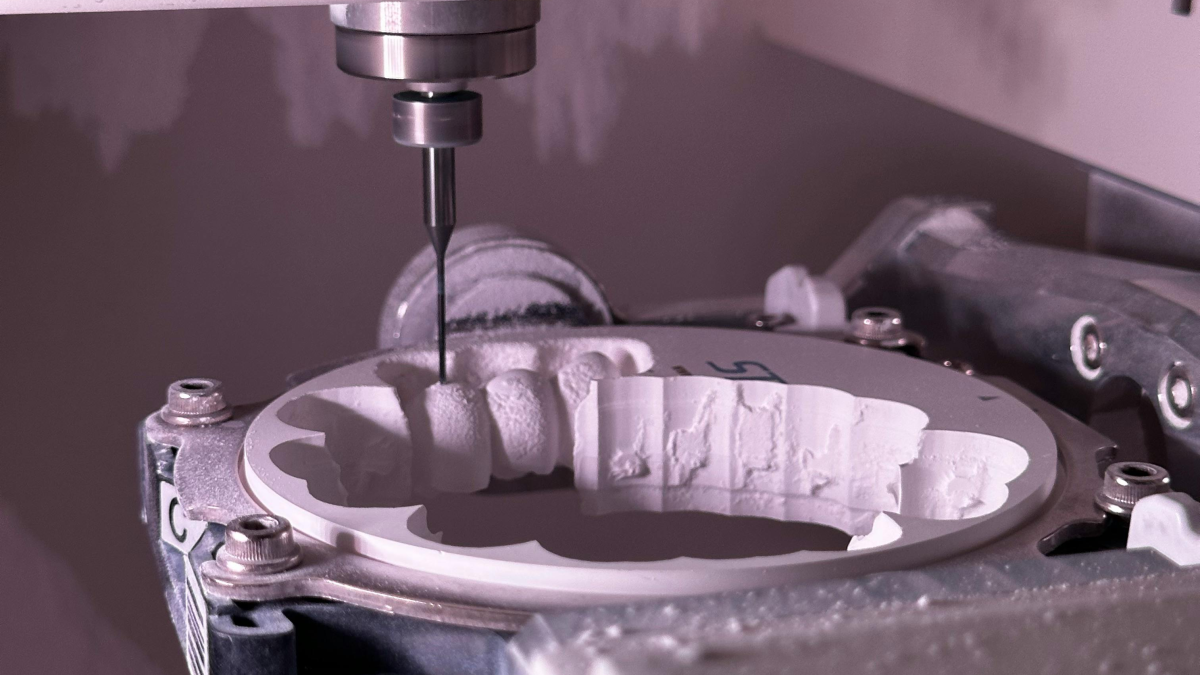
In 2026, a CNC career depends less on one narrow machine task and more on understanding the whole process: drawings, measurement, setup, CAM, automation, scrap, and shop-floor data.
Not every person with incomplete experience should be rejected. But training someone just to close a vacancy can cost more than continuing the search.
Sustainable CNC machining is not a slogan. It is the ability to notice everyday losses in coolant control, tool wear, scrap, idle time, and energy use before they become normal.